
As a result, both Microsoft Project and Monday offer ways to manage information. Project scheduling and managing team resources are both areas where Microsoft Project shines. They allow you to use milestones to track progress and offer features to track budget and manage risk. In the execution phase, the project team works on the tasks and activities outlined in the project plan to achieve the project goals. The deliverables of a product are the goods, services, or ideas that meet the needs of customers. For projects, the deliverables are the specific outputs or outcomes achieved upon completion, such as a new software application, a marketing campaign, or a building construction.
This phase is where the project team start to create deliverables and attempts to achieve the objectives set out in the project plan. Processes are implemented, resources are allocated, and tasks are assigned. Properly delineating projects and programs is crucial for organizations managing both types of initiatives to achieve strategic goals.
Top 6 Free Construction Project Management Software For 2025
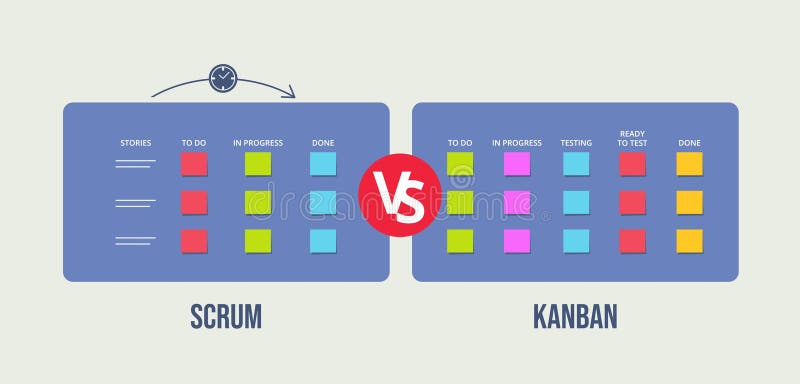
You will be able to modify the view with statuses, sub-statuses, and swimlanes, limit the work using WIP limits, and review progress with the help of specialized Agile metrics. This means no unauthorized promotion of your own brand, product, or blog, unauthorized advertisements, links to any kind of online gambling, malicious sites, or otherwise inappropriate material. Comments that we find to be hateful, inflammatory, threatening, or harassing may be removed. This includes racist, gendered, ableist, ageist, homophobic, and transphobic slurs and language of any sort. If you don’t have something nice to say about another user, don’t say it.
At the same time, it’s important to consider a level of balance in the portfolio. The organization needs to “keep the lights on” while also developing new opportunities. Some risk needs to be taken, but the portfolio should not be so risky that everything could be lost.
Definition And Scope

It’s entirely possible to deliver projects within a product framework, provided those projects remain focused and aligned with the larger product vision. In these cases, projects become stepping stones that contribute to the overall product strategy without diluting its long-term goals. Product Development focuses on creating something that evolves, scales, and adapts over time. It’s driven by user needs, market trends, and the ability to iterate continuously.
More Efficient Resource Allocation
Microsoft Project stands out among the many project management software on the market. A pillar in this field, Microsoft Project has been assisting businesses in achieving their project goals for decades. In the world of business and management, the terms “program” and “project” are often used interchangeably, leading to confusion and misunderstanding. While both concepts involve a set of activities aimed at achieving specific goals, they differ in several key attributes. In this article, we will explore the characteristics of programs and projects, highlighting their similarities and differences, and shedding light on their respective roles in organizational success.
– Communication
Project work is different from typical product work, and you shouldn’t think of it as such. Perhaps surprisingly, monday.com actually offers a better service for a lower cost when compared to MS Project. With everything else being equal, ease of use becomes the most important factor. In either case, the software service makes promises regarding the security of your system and the data stored there.
– Use Time-blocking
Each task must be completed to successfully finish the overarching project. Additionally, tasks can vary in complexity and duration, which means that project managers must be adept at prioritizing them based on urgency and importance. This prioritization ensures that critical tasks are completed first, thereby minimizing potential bottlenecks that could delay the entire project. Furthermore, the management of resources in a project context often involves budgeting, scheduling, and risk assessment.
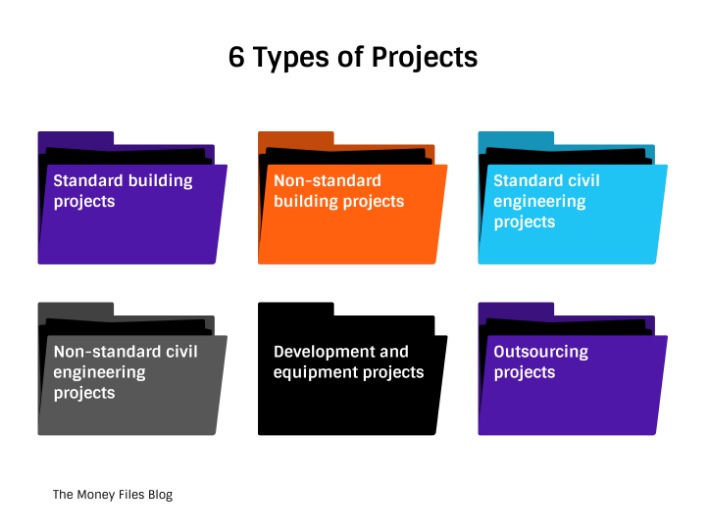
A department within an organization might have multiple wish list projects. As the list grows, decisions must be made about the timing of each and whether some will be removed from the list altogether, given their low impact or high cost. Here are some of the most fundamental differences between a project and a program.
How Project, Program, And Portfolio Management All Work Together
- For example, video tutorials walk you through how to create tasks and other basic functions.
- You can then further categorize them and create a structure for your project information.
- Finally, at the bottom, individual projects have a defined start and end.
- Project managers might want to take advantage of human resources management but will have to pay even more to get it.
- From University of Wisconsin–Madison, and she lives in the Chicago area with her family.
For organizations operating a functional structure, project managers have limited authority and cannot dictate resource usage across functions. Initiatives are often measured by key performance indicators (KPIs) that track progress towards the initiative’s goals. These KPIs may include metrics such as revenue growth, customer satisfaction, or employee engagement. Projects, on the other hand, are typically measured by specific project metrics such as budget variance, schedule performance, and quality of deliverables. Project managers use these metrics to monitor project progress and make adjustments as needed to stay on track.
With insight into where projects fit into the bigger program picture, you can improve decision-making to drive more successful outcomes and maximize benefits for your organization. PMOs aggregate and consolidate reporting on budgets, schedules, risks, issues, and milestones across projects. PMOs establish governance frameworks and processes to provide guidance for Project Managers on meeting objectives for each project. The goal of a PMO is consistent and effective project delivery across the organization. In contrast, a Program Manager oversees an entire program consisting of multiple complex and interdependent projects working towards a common strategic objective.
For project strategy, Kumospace effectively manages dedicated teams to develop and launch specific features, such as advanced collaboration tools, within set timelines and budgets. By balancing these strategies, Kumospace maintains a competitive edge and delivers ongoing value to its users. Both project managers and product managers work with teams to complete tasks and reach organizational goals, yet follow different paths with distinct responsibilities. While some people thrive on last-minute pressure, relying solely on winging it is not a sustainable or reliable approach to completing projects or tasks. Planning ahead helps ensure that deadlines are met, resources are allocated effectively, and potential roadblocks are identified and addressed before they become major issues. It’s crucial to prioritize planning as a key aspect of effective project and task management to achieve successful outcomes.
You’ll also gain trust for your team as you’ll be known for straight shooting. The good news is that, as a product manager, you aren’t wed to any one process. Your job, no matter how the work is framed, is about helping the team consistently make better decisions. A user may miss those options when it comes time to collaborate with teams. Monday allows file sharing, live comments on documents, tagging ownership of tasks, and plenty of other ways to stay in touch with team members.
Project Management Office Vs Program Management Office
A virtual office in Kumospace lets teams thrive together by doing their best work no matter where they are geographically. The first commercial edition of MS Project was released for DOS in 1984 and has come a long way since, with numerous editions, features, and cloud adaptations. As a result, it remains a popular Project Management tool for Project Management Professionals worldwide.