The Tor browser is designed to provide improved online anonymity and security. However, be careful when using the Tor Browser to access the dark web. The dark web is a dangerous place, and all bets are off on your safety. Though not entirely shoddy, the dark web has a reputation for hosting illegal activities. It does support whistleblowers by offering them anonymity and secure communication in an oppressive regime.
Stay One Step Ahead – Protect Your Data From The Dark Web
Some users, such as whistleblowers or journalists working on sensitive issues in oppressive authoritarian governments, need privacy to carry out their activities. Not all onion sites are dangerous, but many host illegal, harmful, or deceptive content. Stick to trusted sources and use caution when navigating the dark web.
How To Access Your First Dark Web Or Onion Site
Tricky, but effective; that’s why it’s, by far, the best method to access dark web content. Some .onion dark websites are known to contain malware, and dangerous scripts designed to damage your computer, steal your information and identify you. Although the dark web represents a small fraction of the totality of the deep web, it has attracted perpetual media attention over the last few years.
Again, remember that it’s best to safeguard your dark web browsing sessions with the added protection of a VPN before using any of these browsers. However, note that a VPN is not a definitive or comprehensive form of protection. It won’t guard you against all of the many threats that exist on the dark web, from phishing scams to malware and malicious sites.
Is It Illegal To Enter The Dark Web?
Tor is an abbreviation for The Onion Router and now, we can see why. It hosted over 7,000 .onion categorized links to make surfing the web easier. One of Daniel’s impressive features was the built-in functionality that showed whether a particular dark website is online.
Ways Small To Midsize Businesses Can Stay Safe In The Cloud
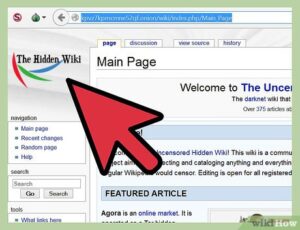
Note that Hidden Wiki links sometimes lead to unsafe content, so be wary about what you click. Use your common sense to steer clear of online scams and illegal activity. To protect your data from the websites you visit, one of the most effective steps is to hide your IP address, which can reveal your location, identity, and browsing habits. Using a virtual private network (VPN) masks your real IP by routing your internet traffic through a secure server, making it appear as though you’re browsing from a different location.

Enable Strong Security Settings
The Tor Browser is an open-source web browser created for anonymous browsing and to evade censorship. It routes users’ traffic through thousands of volunteer-run servers called nodes/relays. These nodes/relays and the websites operating on them make up the Tor network, or as it is more generally named, the dark web. This article is intended for informational purposes only and does not endorse or promote any illegal activities.

This .onion link makes it impossible for hackers to impersonate your profile. Keybase is a fantastic onion website that lets you cryptographically bring your different online identities together. The .onion site has thousands of downloadable comic books ranging from niche to mainstream. As with the Imperial Library, you should be aware of copyright infringement. ZeroBin is a wonderful way to share the content you get from dark web resources. It is a reliable messaging tool where you copy/paste a text or image and send it to your addressee.
What Does The Tor Browser Do?
This encrypts your internet traffic using your VPN’s servers, protecting against outside parties monitoring all of your device’s internet activities. Because of the relaying of data through the onion nodes, and the encrypting and decrypting taking place at each node, your internet connection will slow considerably. This means the Tor Browser is not recommended for streaming video, playing games, or downloading large files.

- That means that when Tor is compromised, or perhaps there’s a new vulnerability exploit in the Tor network, a VPN will still protect your privacy.
- Websites and pages in the deep web might include password-protected content, private forums, and personalized resources.
- As such, we do not recommend using Tor if you want to do data-intensive activities like streaming in HD, gaming, torrenting, or making video calls.
- When accessing the dark web, the first step is to install a dark web-friendly browser on your computer.
- Understanding how to access the dark web is valuable for IT leaders, cybersecurity experts, and professionals who need to monitor hidden threats or preserve online privacy.
Disabling JavaScript, ActiveX, and Flash plugins, for example, will help to strengthen your privacy, though this may also cause some sites to run poorly. However, there are also perfectly legal, safe sites within the dark web, like privacy-focused forums, marketplaces, and more. Even large, trusted organizations, like The New York Times and Wikipedia, have official dark web domains of their own. Typically, you can find dark web URLs through forums, databases, or by talking to others who frequent those sites. Your traffic is relayed and encrypted three times as it passes over the Tor network.

Illegal Pornography

Ahmia primarily indexes .onion sites on the dark web, not both surface and dark web content. It is specifically designed to make hidden services on the Tor network more accessible. It offers a clean, user-friendly interface that simplifies the process of searching for hidden services. Depending on where you are, accessing the dark web might be illegal. But unless you engage in illegal activity on the dark web, you shouldn’t need to worry — at least in the US. Connecting to the dark web might draw unwelcome attention to your online activity, though, either from your internet service provider (ISP) or your government.
Tips For Using The Dark Web Safely
The terms “deep web” and “dark web” are sometimes used interchangeably, but they are not the same. Deep web refers to anything on the internet that is not indexed by and, therefore, accessible via a search engine like Google. Deep web content includes anything behind a paywall or requires sign-in credentials. It also includes any content that its owners have blocked web crawlers from indexing. In 2002, the dark web grew significantly when researchers supported by the US Naval Research Laboratory built and released the Tor network.