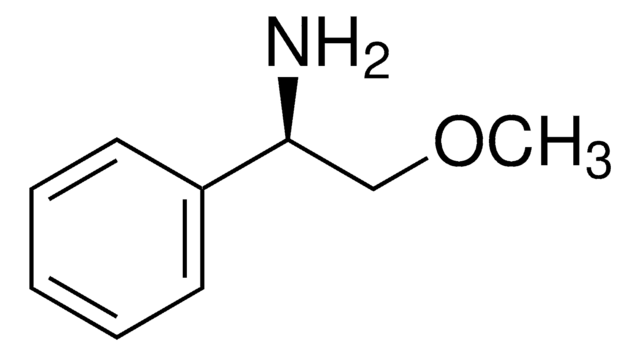
Numerous articles and posts that deal with the issue of love intoxication mention phenylethylamine (or PEA), describing it as a specific “love molecule” that is released in the brain and acts as a natural amphetamine. It’s worth noting, however, that the PEA in food is largely metabolized before it reaches the brain, so the mood-boosting effects of these foods may be due to other compounds or simply the enjoyment of eating them. Some studies have found that individuals with ADHD tend to have lower levels of PEA in their urine, suggesting a potential role for this compound in the disorder. This has led to speculation that PEA supplementation could potentially help manage ADHD symptoms, although more research is needed to confirm this. Studies have shown that PEA can enhance focus, alertness, and mental energy.
Latest Activity
In her spare time, Klinger explores food and culture all over the world with her family, realizing the power a healthy lifestyle has to keep people together. She is on the board at Global Rise to build a formal community nutrition program as part of an ambitious initiative to create a regenerative food system in Uganda in partnership with tribal and community leaders. This program included an extensive training session on food safety and sanitation that displayed cultural sensitivity and various communication strategies and incentives to spread these important food safety and sanitation messages into the communities. Both the yolks and whites of eggs also contain the amino acid, according to research. Foods high in phenylalanine include chickpeas, beans, and lentils, according to Parkview Health, a healthcare system based in Indiana and Ohio.
Brain Scan Abbreviations: Decoding Medical Imaging Terminology
Elegans homologue vesicular monoamine transporter, cat-1, did not compromise the ability of βPEA to increase extracellular DA. Finally, our electrophysiology data show that βPEA caused fast-rising and self-inactivating amperometric currents in a subset of wild-type DA neurons but not in neurons isolated from dat-1 knockout animals. Taken together, these data demonstrate that in both DA neurons and heterogeneous cultures of differentiated C.
10 Galectin-1 Receptor
There is still much to learn about its long-term effects, optimal dosages, and potential interactions with other substances. At the same time, it’s important to approach PEA supplementation with caution and responsibility. While it offers promising benefits, it’s not a magic bullet, and its use should be considered in the context of overall health and wellness strategies. As we conclude our exploration of phenylethylamine, it’s clear that this remarkable molecule plays a crucial role in our brain’s complex neurochemistry, particularly in its regulation of dopamine.
However, some medical conditions and medications may interact with phenylethylamine HCL, such as blood pressure medication, heart conditions and psychosis disorders. These patients should refrain from this supplement, unless a medical professional prescribes them. Phenylethylamine HCL is a stimulant that can cause harsh, unwanted side effects. For those looking to give their workouts an extra boost or get an extra edge on their weight loss efforts, PEA supplements can be a reliable option.
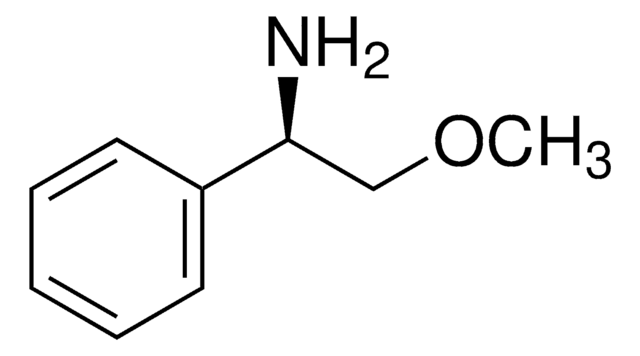
Phenylethylamine Brain
Phenylethylamine (PEA, 2-phenylethylamine, beta phenylethylamine / β-phenylethylamine, phenethylamine) is a trace amino acid. Your brain naturally converts L-Phenylalanine into Phenylethylamine (PEA). It can be a good source of amino acids for plant-based eaters, but it’s not an alternative to taking phenylethylamine supplements. Phenylethylamine can also be produced from dietary L-phenylalanine, an amino acid and component of dietary protein. Based on studies, it’s estimated that the average diet provides around four grams of phenylethylamine due to consumption of protein foods.
2 Natural Occurrence And Biological Synthesis Of PEA
Proper supplementation with PEA is designed to provide rapid improvements on mental clarity, mood, stamina, energy, libido, joy and motivation. Most prescription medications used to treat these core conditions do not address low PEA. That is why they frequently fail to work, cause troublesome side effects, or both.
Phenylethylamine: Benefits, Side Effects, And Dosage
Some supplements combine PEA with other compounds that inhibit its breakdown, potentially prolonging its effects. It’s important to note, however, that while these areas of research are promising, they’re still in their early stages. The effects of PEA on neurological conditions are complex and not fully understood.
The Drug Discrimination Paradigm
How it works exactly, though, is still a matter up for debate, requiring more inquiry. Research suggests that its main ability is to inhibit dopamine uptake while simultaneously inducing increased dopamine production. Though contested, evidence suggests that it can pass the blood brain barrier after injection into the body, where it gets to work. Because of the similarity to various amphetamines, Phenylethylamine is believed to have a pronounced stimulating effect on the body.
- Medicinal chemistry leads and state-of-the-art research on novel molecules are described here.
- PEA (Phenethylamine) supports a positive mood and outlook by boosting the effects of serotonin and dopamine in the brain.
- A review of the literature indicates that brain phenylethylamine (PEA) may be a neuromodulator of aminergic synapses and that it promotes energy, elevates mood, and favors aggression.
- This intricate dance of molecules sets the stage for PEA’s profound impact on our mood, cognition, and behavior.
- The importance of PEA in brain function and dopamine regulation cannot be overstated.
- Its inclusion in both traditional and contemporary herbal combinations underscores its ongoing importance in natural wellness practices, contributing to improved emotional health and vitality.
Forming memories, the ability to learn, executive functions, clarity, focus, and overall attention span are all bolstered by supplementing with this chemical. Phenylethylamine is found in all mammals and affects neurotransmitter function. By reducing the uptake of serotonin, dopamine, and norepinephrine, it can have a positive effect on mood and provide some cognitive effects. The body breaks down PEA supplements quickly and they pass through the blood-brain barrier easily to give users a much-needed boost to the central nervous system. The supplement is available in salt, powder and tablet form for easy dosing and consumption.
CYP19A1 Enzyme Aromatase Gene & Natural Inhibitors

Phenylethylamines are also generally found to be central nervous system stimulants with many also being entactogens/empathogens, and hallucinogens. Street names for some phenethylamines include ‘Europa’ for 2C-E; ‘4-FMP’, ‘para-fluoroamphetamine’, ‘RDJ’ for 4-FA; and ‘4-MMA’, ‘Methyl-MA’ for PMMA. Phenethylamines are usually available in form of pills, but FLY compounds are commonly sold in powder form, while oral doses (on a slip of blotter paper) are usually available for ‘D substances’. Ingestion is the most common route of administration of phenethylamines. 2-phenylethylamine (PEA) is a trace amine, found in very small amounts in the human body.
- This similarity is no coincidence – it’s part of what makes PEA so effective at influencing our mood and cognition.
- DO NOT make the mistake of buying Phenylalanine instead of Phenylethylamine (PEA).
- One study found that ADHD children treated with the drug methylphenidate (Ritalin) showed significantly higher PEA levels in the presence of the drug methylphenidate.
- All drug solutions were prepared immediately prior to the beginning of each experiment.
Manchado et al. 231 developed quick asymmetric routes furnishing this type of derivative. Spetea et al. 232 developed selective diphenethylamine-based tertiary amines as κ-opioid receptors with 100-fold and 1000-fold selectivity difference compared with its congeners (Figure 20b). The potential of trace amines and their receptors for treating neurological and psychiatric diseases.
1 C Elegans Husbandry And Transgenic Animals
PEA can be found naturally in many cacao, algae, fungi, and bacteria as well as clover, beans, peas, and some food products such as Natto and eggs. PEA is not at the top of most nootropic stack choices because its effects are so short-lived. But some neurohackers love PEA for its stimulant and mood enhancing qualities. While the names PEA powder and pea protein powder might sound similar, these are not the same thing but do have similar effects.
It functions as a neurotransmitter that gives you heightened focus, attention, goal-directed behavior and task-completion. Combined with its mood elevating effects, these attributes are why supplementation with PEA can bring about increased get-up-and-go, enhanced sense of well-being and optimal cognitive performance. Welcome to Nootropics Planet, your comprehensive guide to cognitive enhancement. Explore in-depth articles on nootropic supplements that can boost memory, focus, and mood. Learn about the benefits, dosages, and potential side effects of various nootropics to make informed decisions on your journey to peak mental performance.
One study found that just 60 mg of phenylethylamine paired with selegiline reduced depression in several patients over the course of one year (x, x, x, x, x). For instance, some studies have found lower levels of PEA in individuals with depression, leading to speculation about its potential therapeutic role in mood disorders. Similarly, altered PEA levels have been observed in conditions such as attention deficit hyperactivity disorder (ADHD) and Parkinson’s disease, suggesting a possible link between PEA metabolism and these neurological conditions.