Ulbricht’s girlfriend and Bates were the only people he told about his project. He hid it on Tor (The Onion Router), a browser system invented by the Navy that relies on layers of computer routers and is now used by dissidents, drug sellers and pornographers to cloak their Web activities. He set up the site to accept the cryptocurrency Bitcoin, evading both banking and government oversight.
Best VPN For Linux: Top Choices For Maximum Security And Privacy
After a decade of incarceration, Ulbricht was released that same day from the Arizona federal Bureau of Prisons facility where he’d been serving his two life sentences, plus 40 years. In conclusion, the Silk Road dark web serves as a crucial case study in the intersection of technology, law, and online commerce. While it has been dismantled, its legacy continues to influence discussions around digital anonymity and the regulation of online marketplaces. After they charged Ulbricht, FBI agents built their case by gathering metadata, trawling through his personal email, chats, photographs and Dread Pirate Roberts’s chat logs. They matched known events from Ulbricht’s life—an illness, a case of poison oak, an OKCupid date with a woman named Amelia—with mentions of the same events by the virtual DPR.
Silk Road’s Dread Pirate Roberts Walks Free As Trump Pardons Dark Web Kingpin
- Silk Road, accessed anonymously by users on the dark web, brought in approximately $1 billion in sales, according to investigators, with Ulbricht making millions by taking a cut of each transaction.
- Ross Ulbricht was arrested and charged with multiple crimes, including money laundering and conspiracy to traffic narcotics.
- Ulbricht’s name came up early in the investigation in 2011, when an IRS agent began an extensive search of the internet for early mentions of the Silk Road, hoping to trace back to its origins.
- The Silk Road was a game-changer in cybercrime and online anonymity.
- Through a combination of data anonymization technology, a trading platform, and a feedback system, Silk Road created a haven for drug traders.
Products such as malware, hacked accounts, or hacking services soon became available. Although guns and other weapons were traded, contract killing services were, allegedly, never officially available on Silk Road. The story of Silk Road is a cautionary tale about the intersection of technology, anonymity, and illegal activities. While it showcased the potential for cryptocurrencies and the dark web to facilitate unregulated commerce, it also highlighted the significant risks and legal ramifications.
To gain more attention, he also posted anonymously on Bitcoin forums and wrote about how Silk Road works, how to use Tor, and how to exchange cash into Bitcoins. During his trial, Ulbricht’s defense also pointed to evidence that he advocated for “safer” drug use on Silk Road. Ross William Ulbricht was the creator and owner of the Silk Road website who was deeply interested in libertarian economic and political theory while studying engineering at Penn State University. He was also inspired by his favorite book, Alongside Night — about a society built upon an open marketplace — to create what would become the Silk Road anonymous market.
- The Libertarian movement is a strong advocate for the use of cryptocurrencies and, generally speaking, anything that promotes the rights of individuals.
- Ulbricht’s arrest occurred while he was logged into his laptop with the Silk Road admin panel open.
- Ross Ulbricht’s Bitcoin holdings, as confiscated by authorities, amounted to approximately 144,000 BTC.
- Although the federal agents admitted that the use of Tor and Bitcoin to obscure addresses were significant obstacles that they encountered, they were still able to crack down on the underground drug market.
- Trump, just hours after his inauguration, pardoned over 1,500 defendants convicted of sentences up to 22 years for seditious conspiracy, assault and other offences for their role in the Jan. 6, 2021, riot at the Capitol.
What Does 25 To Life Mean?
The story of Silk Road and its founder, Ross Ulbricht, is a complex and controversial one. While some people see Ulbricht as a hero who was fighting for individual freedom, others see him as a criminal who was profiting from the sale of illegal drugs. Regardless of your opinion, there’s no denying that the story of Silk Road and its founder is a fascinating one that offers insights into the dark side of the internet and the human desire for freedom and autonomy. The story of Silk Road and its founder, Ross Ulbricht, has been the subject of much debate and speculation. Some people see Ulbricht as a hero who was fighting for individual freedom and against government overreach. Others see him as a criminal who was profiting from the sale of illegal drugs and endangering the lives of his customers.
Digital Drugs Bazaar And Hitmen: The Dark History Of Ross Ulbricht And Silk Road
In the end, it turned out that both perspectives had some truth to them. The Silk Road case also raised important questions about the role of cryptocurrency in illegal activities. Because transactions on Silk Road were conducted using Bitcoin, many people saw the case as a warning about the potential dangers of unregulated digital currencies.
How Did The Darknet Silk Road Work?
In 2013, Ross Ulbricht, the mastermind of Silk Road, the most sophisticated and largest online black market for illegal drugs to date, was arrested by federal officials. During its nearly three-year run, Silk Road enabled approximately $214 million worth of transactions, with Bitcoin serving as the means of exchange. Ross Ulbricht’s arrest was the culmination of a complex and extensive investigation by multiple law enforcement agencies.
The Silk Road Dark Web represents a significant chapter in the history of online marketplaces, illustrating the complexities and dualities of the internet. It serves as a prime example of how digital anonymity can foster both commerce and criminal activity. “jesus christ this is TERRIBLE!!” wrote one user named danceandsing.
A computer algorithm on Tor generates a complex Web address that ends in .onion and can be accessed only by downloading Tor software. After two and a half years running the booming anonymous narcotics bazaar known as the Silk Road, the drug kingpin who called himself the Dread Pirate Roberts has allegedly been unmasked. Prosecutors said some people died after consuming drugs bought on Silk Road. Trump had announced plans to commute Ulbricht’s sentence in May during a speech at the Libertarian National Convention. The Libertarian Party, which has advocated for drug legalization, had pushed for Ulbricht’s release, calling the case an example of government overreach. In an effort to combat the flurry of evidence against him, Ulbricht’s defense team argued that Ross was not the sole operator of Silk Road, that he handed control of the site over to others.
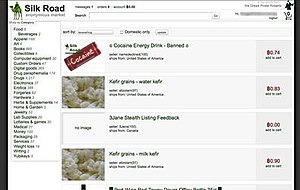
Ulbricht’s Arrest And Site Shutdown
Ross Ulbricht was convicted in 2015 for all seven charges brought against him in court. He has exhausted all appeals and is currently sentenced to life in prison without the possibility of parole. The closure of Silk Road marked a turning point as law enforcement ramped up efforts to target similar marketplaces. In 2013, a joint investigation by the FBI, DEA, and Department of Justice led to the shutdown of Silk Road. Ulbricht’s arrest and the seizure of millions of dollars worth of Bitcoin sent a strong message to other darknet operators.
But Ulbricht had only gone dark and had a new set of online advisers and fans, some of whom would prove to be devastatingly disloyal. A Silk Road vendor who went by the online name “Variety Jones” picked up the banner. Jones, who advised Ulbricht to start using the handle Dread Pirate Roberts on the site and in his business communications, has never been publicly identified.
Which Wallet Best For Darknet Market
Over a week or so, Force conspired with his team to complete the fake death of Green. Force sent DPR photos of the staged torture, followed by photos of Green, facedown on the floor, pallid, smeared with Campbell’s Chicken & Stars soup—the supposed aftermath of asphyxiation. Green holed up in his house (he had to stay out of sight as part of the ruse) in a kind of self-imposed witness protection, and Force went back to Baltimore. DPR sent $40,000 to a Capital One account controlled by the government as an advance. DPR never got back the stolen bitcoins, but once in receipt of the putative proof of death, he sent another $40,000 for a job well done.
FBI, Dutch Cops Seize Fake ID Marketplace That Sold Identity Docs For $9
He was later arrested and pleaded guilty to one count of conspiracy to distribute narcotics in connection with Silk Road. Another key member of Silk Road’s administrative staff, who used the name Smedley, was suspected to be an American web developer in Thailand, but his identity has not been confirmed. The site was named for a network of trade routes that stretched across Eurasia starting about 130 bce. Meanwhile, a series of community-driven blog posts instructed sellers how to effectively ship their product without getting detected, and offered instructional guides for users on how to safely consume their drugs.